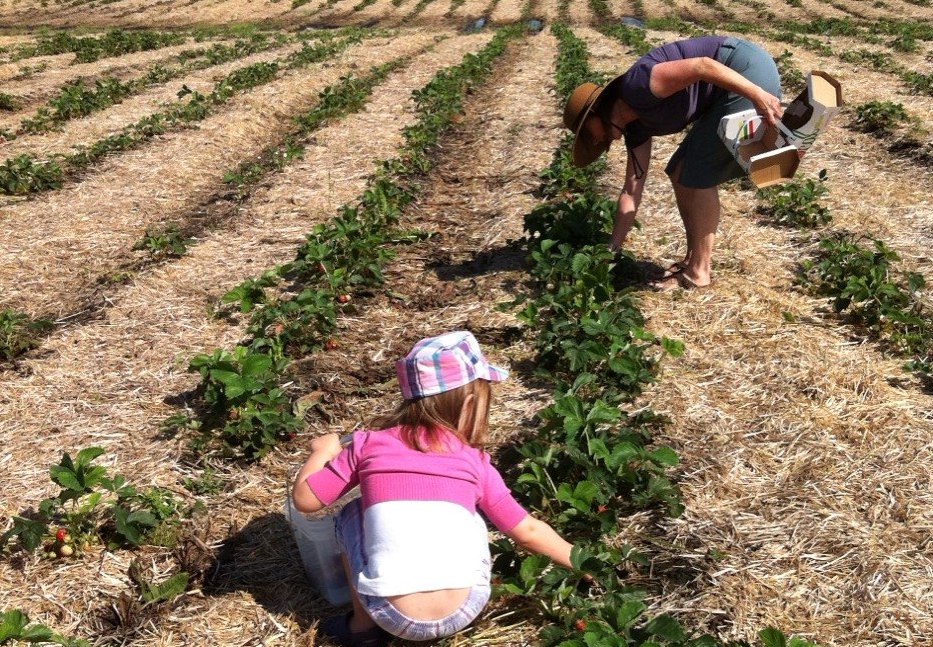
Gardening season is in full swing – at least here in the northern hemisphere and where I live in the foothills of the Canadian Rockies, gardening skills are continually challenged. If it’s not bugs, pests, poor soil or changeable weather (snow in May!), it is a matter of how long one can work pulling weeds, watering and shoveling dirt!
These days, I have discovered that I can work for one hour at a time. If I go over the one-hour limit, my back hurts, my hips hurt and the best I can do is take a well – indicated homeopathic remedy, get the heating pad out and put my feet up for a brisk sit!
Avoid the gardener’s trap of doing too much and for too long! The weeds and pests will still be there the next day so simply say to them, ‘See you tomorrow!’
Here are my best remedy suggestions to keep you gardening well into retirement and beyond.
Top 5 Homeopathic remedy kit for your garden kit
Bellis Perennis
Common Name – Common Daisy
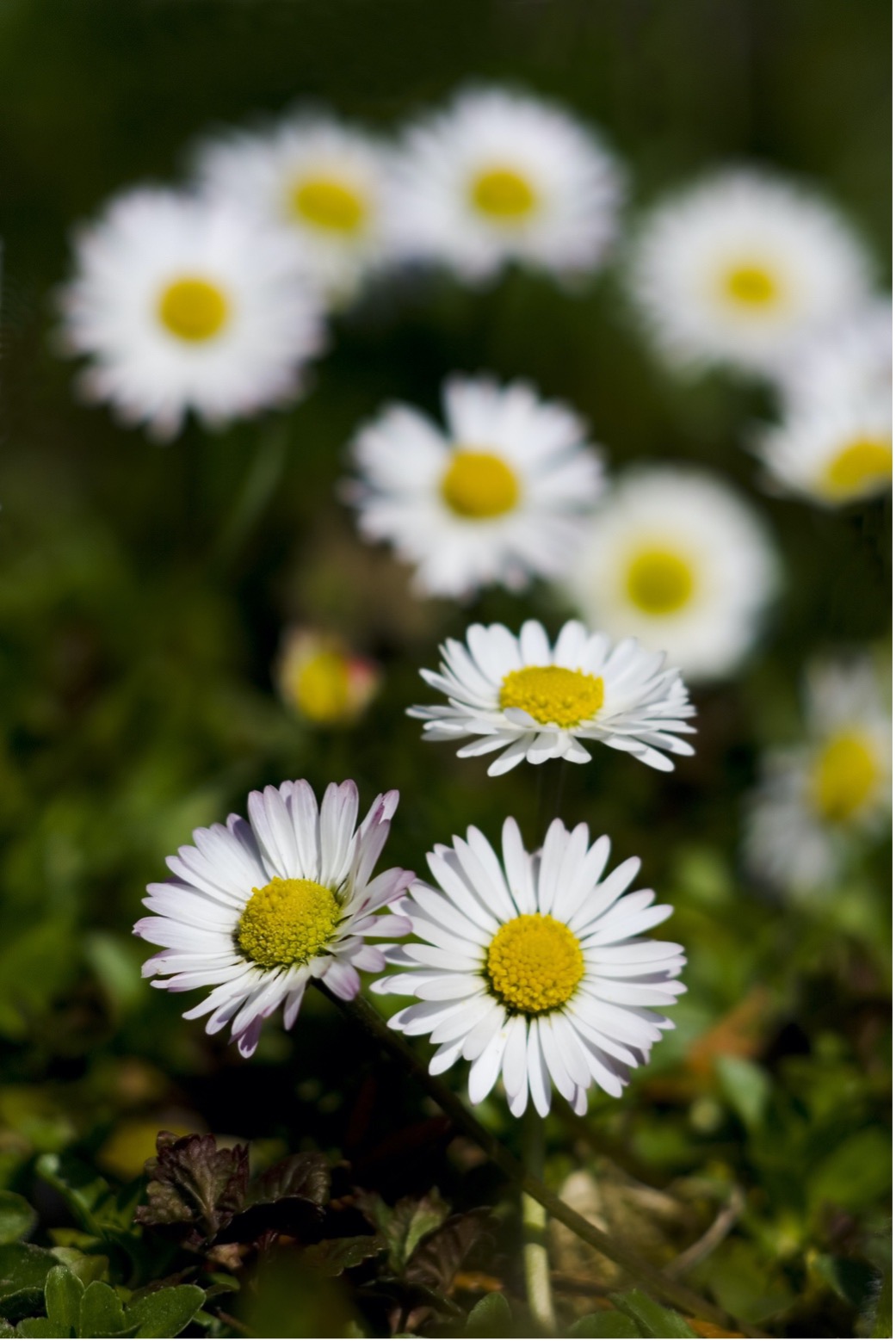
From the Daisy family of plants (Compositae or Asteraceae), Bellis is a homeopathic remedy to use when you have simply overdone it with bending over to pull weeds, transplanting plants, lifting heavy loads, shoveling dirt and manure, and when you feel like you will never be able to straighten your spine ever again!
Such a sweet flower, but often you find it as ground cover, and it is easily bruised, stepped on, and crushed beneath the two-legged and four-legged creatures. The bruised, crushed, sore, and aching sensation of the deep muscles in the back will be your clue to use this remedy instead of Arnica, dear little Bellis’ sibling in the Daisy family.
From Asa Hershoff’s Homeopathy for Musculoskeletal Healing (a great book to have on hand for the home prescriber):
- Injury: like Arnica, but deeper trauma, more swelling and bruising
- Muscular fatigue or overstrain, prolonged standing
- Effects of falls, injuries, blows, sprains in the remote past
- Effects of repetitive strain, manual labor, microtrauma resulting in arthritis or rheumatism. Contractive pain in wrist
- Old back strains. Injuries to the coccyx
- Trauma to abdomen, pelvic organs, or lower limbs
- After surgery (main remedy). Surgical trauma; pain and bruising
- Getting chilled after overheating or after a cold bath
- Prolonged travel, jostling, jarring (motorcycles, pneumatic drills)
- Wrist: as if bandaged. Dislocated. Tendon contraction
- Tumors at the site of an old injury
Arnica montana
Common Name – Leopard’s Bane
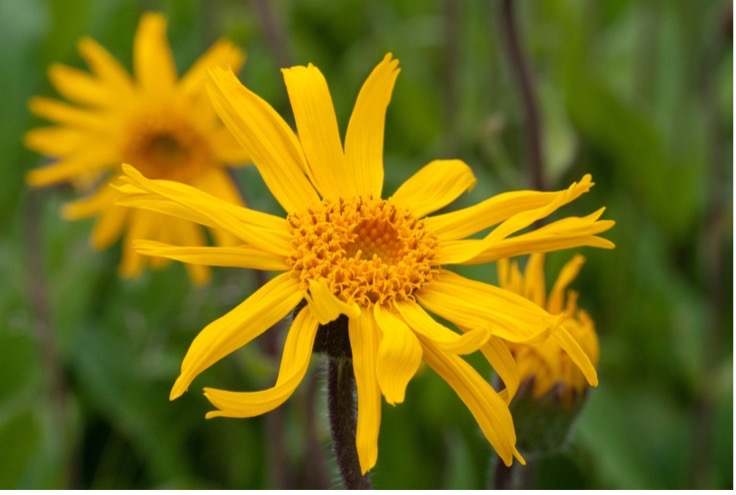
Sibling to Bellis, Arnica is the hardy mountain plant of the daisy family. Hikers have long known the benefits of Arnica as an herb for the falls, bumps, bruises, and injuries along the trail.
Easy to overdo it when you are cleaning the flowerbeds and preparing the soil, using muscles that you never knew you had! Where Bellis is good for the back and deep bruising, Arnica is best for more superficial muscle aches and pains. Also good for any sore muscles from heavy lifting.
From Asa Hershoff’s Homeopathy for Musculoskeletal Healing:
- Trauma: falls, sprains, blows, wounds, fracture; soft tissue injury. Reduces and prevents pain, bleeding, bruising, swelling. Prevents secondary infection, accelerates healing
- Bruising: reduces or prevents bruising, bleeding, hematoma
- Shock: mental and physical shock from injury, loss, grief
- Past injury: for the after-effects of trauma in the remote past. Never well or recovered since an injury, fall, or trauma
- Muscular strains, sprains, bruising or “charley horse”
- Overexertion: of muscles, cardiovascular (athlete’s heart), voice
- Exercise: relaxes muscle tone, improves stamina, reduces injury
- Surgery: before and after operations, dental work, post-partum
- Manipulation: use before or after joint manipulation
- Preventive: useful before exercise, surgery, or unusual exertion
- ENT: eye injuries (prevents traumatic cataract), loss of vision after injury, retinal hemorrhage; blows to the ear, nosebleeds
- Head: head injury or concussion (see Hypericum)
- Stroke: both in acute stages and for assisting recovery
- Insomnia: from overexertion, injuries, accidents, with nightmares
- Rheumatism or gout, with fear of touch
- Spine: neck and low back pain; soreness with stitching, tenderness
Rhus Tox
Common Name – Poison Ivy
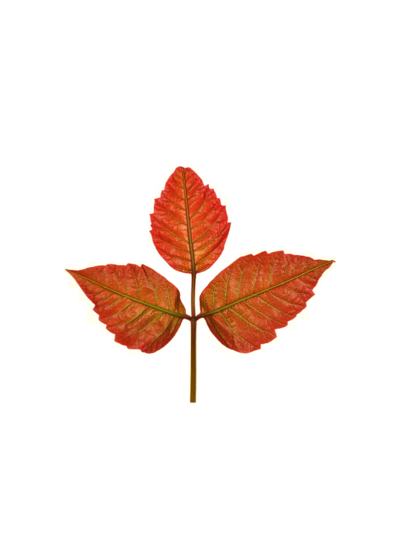
Better known as poison ivy, this remedy also has a picture of “overdoing” and using muscles that you never knew you had! When would you need Rhus tox and not Arnica? You can think of the hot summer days where you work up a good sweat, decide that you’ll keep working just a little bit longer, and then, boom, rain, damp, and chill. The only thing you can think about is that hot bath, which makes you feel better.
If you are familiar with the symptoms of poison ivy, you will have some idea of the achiness, burning, and restlessness that is part of the homeopathic state of Rhus tox. This “overdoing” will be felt more in the joints than the muscles, but the muscles are affected as well.
From Asa Hershoff’s Homeopathy for Musculoskeletal Healing:
- Pain: tearing, drawing, burning, stitching, shooting pains. Bruised soreness. As if sprained or beaten
- Causes: damp environment, getting soaked or getting the feet wet. Chilling after overheating or sweating. Effects of strains and sprains, over-exertion, surgery. The above may have occurred years before onset of the condition
- Locations: affinity to connective or fibrous tissue, especially ligaments. Rhus may be useful and effective for literally any joint in the body
Ledum
Common Name – Labrador Tea
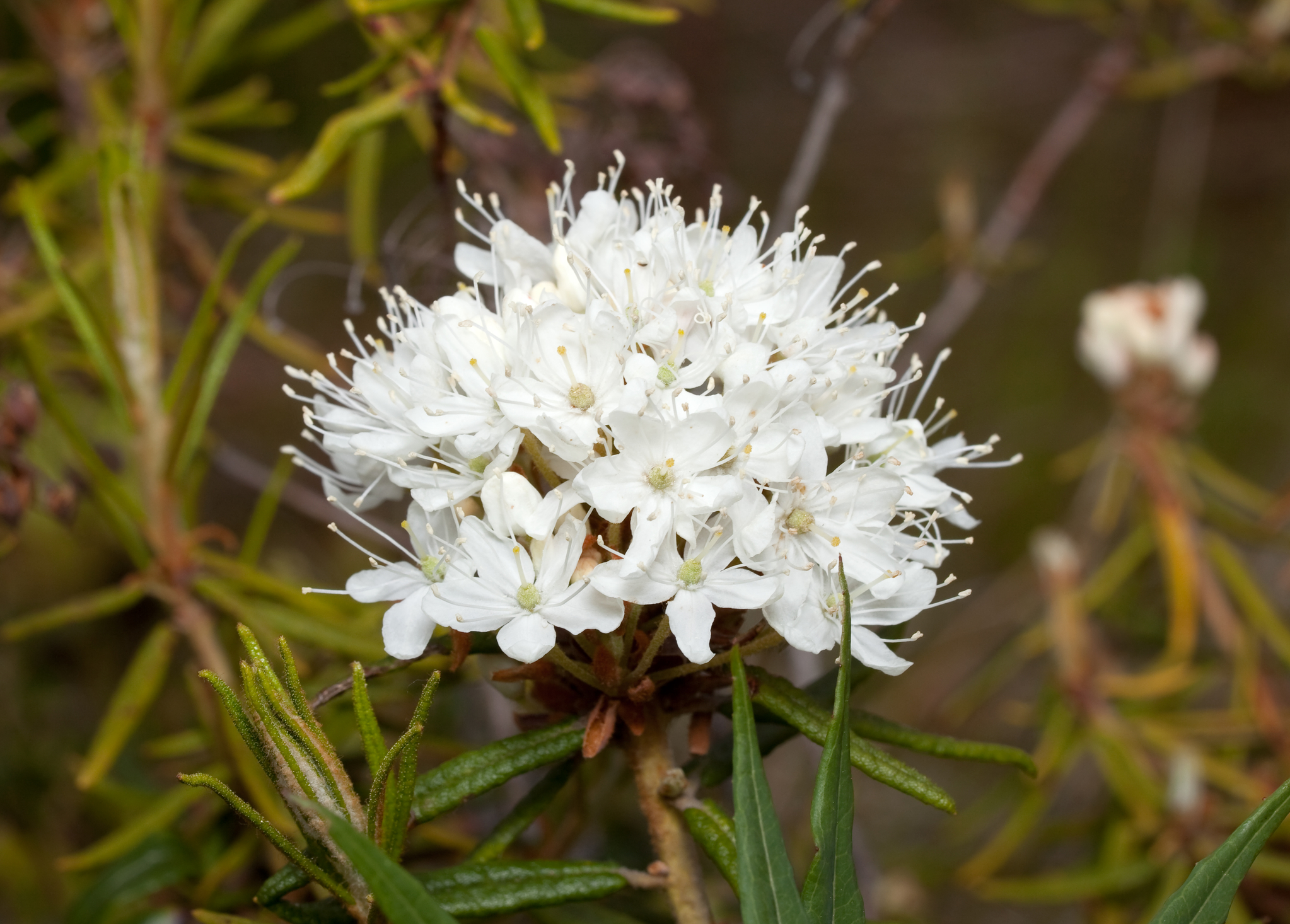
Working in the garden can be full of surprises. One moment you are trimming the rose bush with your rusty old secateurs, inhaling the gorgeous scent and…you miss the branch and catch your finger with the blade! Ugh.
It bleeds like crazy! Your mind gets busy with questions – Will I get tetanus? Do I need to go to emergency? If I go to emergency or the walk-in clinic, will they tell me I have to have a tetanus vaccine?
If you have serious concerns about refusing the tetanus vaccine (or rather the Tetanus Immunoglobulin injection – which is made from a blood product), do read my other blog on tetanus, Homeopathic remedies for tetanus risk: cuts, scrapes, and stitches.
First off, let the wound bleed. Hold your finger in an upright position and get a clean cloth (yes, the cloth you now have to go find, because who keeps a clean cloth in the gardening tool shed?!). Clean the cut. Let the water wash over the cut. Have a good look at the injury or have someone else look and determine if you need stitches.
In the meantime, take the Ledum – a 30CH will do. You can repeat it every 15 minutes for 3 times. By then the bleeding should have stopped.
Ledum is one of your first go-to remedies for puncture wounds, cuts, scrapes, insect bites (think ticks and Lyme disease) where there could be a risk of infection.
Ledum together with Hypericum, is well known to be the homeopathic first aid for tetanus prevention. Tetanus spores need an anaerobic (no oxygen) environment to grow so stopping the bleeding unnaturally, covering the injury up before making sure it is clean will create the perfect opportunity for tetanus to be a concern. Let the cut or puncture wound bleed naturally, keep it clean and expose the injury to air (oxygen).
From Asa Hershoff’s Homeopathy for Musculoskeletal Healing:
PAIN
- Types of pain: 1. Tearing 2. Pressing 3. Drawing 4. Stitching or sore. Extreme tenderness.
- Hands: Stiff. Drawing pain from hand upwards. Arthritic nodosities.
- Hip: Stiff. Stitching pain worse standing, walking. Bubbling, boiling feeling.
- Leg: Drawing in hollow of the knee. Cramps in calves. Heavy limbs.
- Knee: Tearing pain. Cracking, swelling, stiffness worse walking.
- Feet: Ankles sprain easily. Swelling of the feet up to the knee.
CLINICAL
- First Aid
- Bruising, ecchymosis. Bruises that remain a long time. Black eye.
- Intense soreness after injuries.
- Puncture wounds and bites of insects or animals.
- Wounds are cold to the touch, yet better by cold applications.
To sum up? A great remedy for puncture wounds but as Hershoff points out, joint pain and stiffness as well.
If you have concerns about tetanus (or Lyme disease from a tick bite), follow up the Ledum with your next gardener’s remedy in your kit, Hypericum.
Hypericum perforatum
Common Name – St. John’s Wort
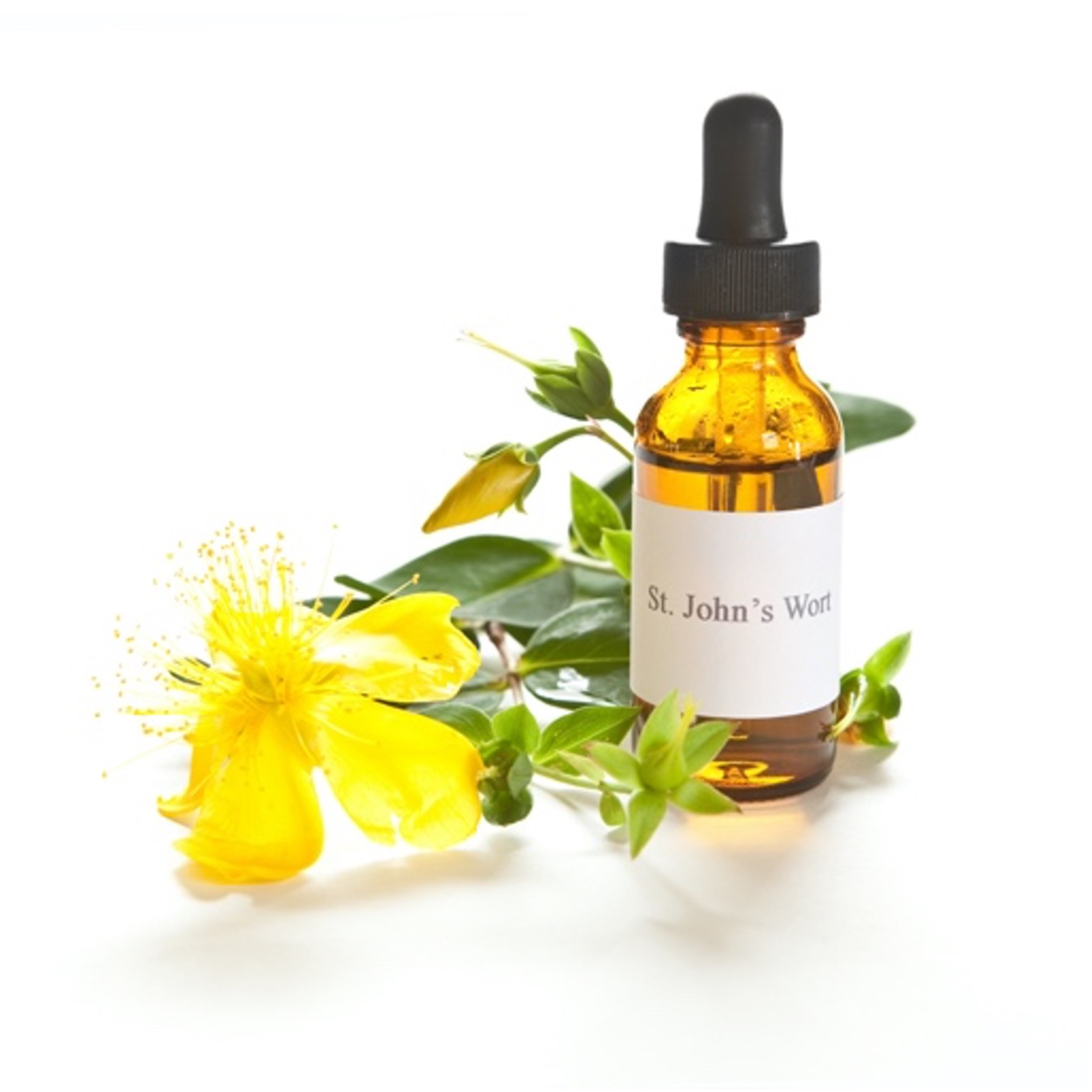
Meet Ledum’s partner in first aid injuries that involve the nerves and also for tetanus prevention. Sometimes called the ‘Arnica of the nerves’, this is a remedy you will use often.
Hands, fingers, feet and toes are also susceptible to injury in the garden. Dropped rocks, squished fingers, stubbed toes can hurt for days. But if you use Hypericum, you will be surprised at how quickly the nerve pain will be alleviated.
Similar to Bellis perennis, Hypericum too has an affinity for the spine and especially the tail bone. And similar to Ledum, there is an affinity for puncture wounds, bites (this is the tetanus prevention part) of insects and animals. In first aid situations, you might need to change remedies as needed. E.g. Ledum to start with the puncture wound but once the shock wears off, the nerve pain becomes more prominent. Then switch to Hypericum.
From Asa Hershoff’s Homeopathy for Musculoskeletal Healing:
CHARACTERISTICS
- Injury to NERVES and nerve-rich tissue. Pains shoot UPWARD.
- Trauma of the SPINE, HEAD, COCCYX, fingertips. Tenderness.
- Neuralgia, sciatica, depression, or headache after injury. Shock.
- Sharp pains, SHOOT UPWARD from the site of injury.
- Intense, violent pains, appear and disappear gradually.
TRAUMA AND INJURY
- Spinal sprains or fracture
- Lumbar puncture
- SHOCK.
- Coccyx pain: From falls or blows, childbirth.
- Crushing injuries to the fingers or toes.
These 5 remedies for gardeners will serve you well as you toil and try to tame the wildness of nature!
I’d love to hear from you. Tell me about your successes in the garden.
Yours in health and healing,
Donna
p.s. Asa Hershoff’s book Homeopathy for Musculoskeletal Healing is one of the books I would highly recommend for you to have for first aid support, especially if you are an active person, athletic family or have any muscle or joint issues. Each remedy is organized in a way that is easy to find the information you need. It is one way for you to learn how to differentiate homeopathic remedies which is important when you want to individualize and match the remedy needed with the person with the physical complaint (and with the emotions/thoughts as well sometimes).
Make the Most of your Home Kit
There’s more to learn about each of these remedies. In fact, learn 41 remedies with Just the Remedies Level I and 20 remedies with Just the Remedies Level II.