
I first met Kylie when she was a student at the Western College of Homeopathic Medicine. I was her teacher! And I love it when students become the next generation of homeopaths to carry on the healing tradition.
Kylie was also a graphic designer for at least one of my Homeopathy First magazine issues. Kylie brings artistry to design and, just as importantly, to how she works with clients seeking her help.
You can likely find some great quotes from her too. She is a delightful person and her work with women and hormones is inspiring.

Tell us about your work with women and hormones…
Kylie: Most of my clients are women between the ages of 35 and 65, and what I find fascinating is how the hormonal picture changes through different stages of a woman’s life.
In women between 35 and 42, I commonly see postpartum anxiety and depression, fertility concerns, changes in menstrual cycles, and women who have recently received an ADHD diagnosis or are recognizing those patterns in themselves.
Between 43 and 65, the picture often shifts toward perimenopause and menopause: vertigo, changes in sleep, anxiety, hot flashes, headaches, brain fog, changes in weight or metabolism, and a feeling that their body simply isn’t responding the way it used to.
Across every age group, I also see migraines, hair loss, loss of libido, acne, fatigue, and nervous-system dysregulation.
The endocrine system is very often central to these cases, but it never exists in isolation. Hormones, the nervous system, digestion, sleep, stress response, and emotional health are constantly interacting with one another. My job is to understand the complete picture rather than isolate one symptom or one hormone.
One of the most important things I tell women is that their body is not simply “defective.” Symptoms are information. Something has changed in the way the body regulates itself, and we need to understand why.
That is why the health timeline is so important. We look at the woman’s entire history: pregnancies, births, medications, hormonal contraception, fertility treatments, illnesses, stress, trauma, surgeries, infections, major life events, and the sequence in which symptoms appeared.
Two women can walk into my office with the same diagnosis or complaint and require completely different homeopathic protocols because they have arrived at that diagnosis through two completely different lives.
Ultimately, my work is about helping women restore greater hormonal stability, nervous-system regulation, and overall balance. I don’t see myself as the person doing the healing. The body is doing that work. Homeopathy is the tool I use to help remove some of what may interfere with its ability to regulate itself.
How effective is homeopathy for women wanting to come off HRT?
Kylie: In my clinical experience, this is an area where I have seen very encouraging results.
A conversation I hear repeatedly from women is: “I want to come off HRT, but I’m afraid of what will happen if I do.”
Some women started hormone therapy because they were suffering and genuinely needed help. Others tell me they felt as though HRT presented itself as something they would simply remain on indefinitely. They may feel better in some respects, but at the same time they are uncomfortable with the idea of relying on external hormones for the rest of their lives.
I attended a perimenopause event where much of the messaging seemed to frame menopause as something women should fight, prevent, or medicate their way around. I remember thinking: Menopause is not a disease. Aging is not a disease.
I don’t believe the answer to every hormonal transition is simply to add synthetic or exogenous hormones or peptides and continue doing so indefinitely. Sometimes hormone therapy is appropriate, and women deserve informed medical care, but I also think women deserve a much broader conversation about what their bodies are doing and what other forms of support are available.
The goal in my practice is not to force a woman’s hormone levels to resemble those of a 25-year-old. The goal is regulation and homeostasis appropriate to her stage of life.
When a client wants to discontinue HRT, I will often begin supporting her homeopathically before she reduces it. I use classical homeopathy alongside individualized protocols focused on supporting the endocrine system and the broader symptom picture. Discuss any reduction in prescribed hormone therapy with the prescribing clinician, rather than stopping it abruptly.
What I am looking for is the body becoming increasingly capable of maintaining its own equilibrium without needing further intervention.
The end goal isn’t perpetual treatment. It is greater independence, stability, and balance.

What do you wish every woman knew about their hormones?
Kylie: I wish women understood that adding synthetic hormones does not represent the only solution to hormonal symptoms, and doctors should not automatically consider it the default treatment.
Our endocrine systems do not exist in a vacuum. From adolescence onward, women might encounter hormonal medications, birth control, fertility drugs, corticosteroids, endocrine-disrupting chemicals, pesticides, plastics, fragrances, and numerous environmental influences. Add chronic stress, poor sleep, pregnancy, postpartum changes, and the natural transition into menopause, and the body can have a great deal to adapt to continually.
So when a woman develops hormonal symptoms, I want to ask a bigger question than, “What hormone can we add?”
I want to know: What happened? When did it happen? What changed before these symptoms began? What has this woman’s system had to compensate for over the last 20, 30, or 40 years?
To me, genuine hormone support means looking at the entire regulatory system.
It means reducing unnecessary burdens where possible, supporting the body’s own regulatory mechanisms, addressing the nervous system and digestion, and respecting the fact that women’s bodies are supposed to change throughout life.
I don’t believe women need to spend the second half of their lives fighting their biology.
There is an enormous difference between supporting a woman through a hormonal transition and convincing her that a natural stage of life is something wrong with her.
Can homeopathy and hormone treatments work together?
Kylie: Absolutely.
Most of the women I work with who eventually want to reduce or discontinue HRT begin homeopathic treatment while they are still taking it. I prefer having that period of support rather than making multiple dramatic changes at once.
Something that is often overlooked is that hormone-related symptoms are rarely purely physical. Women may experience changes in anxiety, confidence, irritability, motivation, sleep, sexuality, relationships, and their overall sense of themselves.
That is one reason I value homeopathy so much. We don’t separate the physical person from the mental and emotional person. We look at the individual’s whole being.
As a woman’s physical symptoms change, I will often hear that something else has shifted too. She feels calmer. She is sleeping better. She is less reactive. She feels more comfortable in her own skin. Things that felt overwhelmingly important six months ago suddenly don’t carry the same weight.
There can also be a deeper shift in the way women relate to aging.
We live in a culture that sends women an extraordinary number of messages telling us that getting older is something to correct. Stay young. Look younger. Keep your hormones young. Don’t allow your body to change.
But staying forever young is not an actual option.
There is something incredibly freeing about reaching the point where you stop battling your own body.
To me, health isn’t about freezing yourself at one particular age. It is about being able to move through the different stages of life with resilience, vitality, and a sense of being at home in yourself.
For women really struggling with hormone imbalance what is possible?
Kylie: I see some beautiful changes in my practice.
Women report clearer thinking, better energy, less hair shedding, healthier-looking skin, fewer headaches and migraines, improved libido, more predictable menstrual cycles, reduced menstrual pain, fewer hot flashes, and a calmer nervous system.
But sometimes the changes they value most aren’t the symptoms they originally came to see me about.
A woman will tell me she isn’t snapping at her husband any more.
She enjoys being around her family again.
She is interested in her life.
She can concentrate.
She doesn’t wake up already overwhelmed.
She recognizes herself again.
I think it is important not to reduce women’s hormonal health to estrogen, progesterone, or a laboratory number. Hormones matter, but the woman living inside that body matters more.
Every client has lived a different life and has a different capacity for healing. I can’t tell every woman that her outcome will look exactly the same, because it won’t.
What I can do is take her symptoms seriously, look carefully at how she arrived, and develop a treatment strategy around her, rather than around a diagnostic label she walked in with.
What is a homeopathy resource that you love and recommend to everyone you meet?
Kylie: A book recommendation would be The Science of Homeopathy by George Vithoulkas.
I think it is an excellent starting point for someone who is genuinely curious about homeopathy but doesn’t yet understand its philosophy or how homeopaths think about health and disease. I recommend it to clients as well as people considering studying homeopathy. It was actually prerequisite reading when I went to college.
And, perhaps controversially, I would not recommend relying on ChatGPT or AI to prescribe homeopathic remedies for chronic health concerns.
AI can be useful for basic information, terminology, and learning about simple acute situations, but homeopathy is far more sophisticated than matching a diagnosis to a list of remedies. Chronic prescribing requires case-taking, hierarchy of symptoms, modalities, causation, timelines, individual susceptibility, and an understanding of the person.
A computer can give you ten remedies associated with a migraine.
A trained homeopath wants to know why this person has this migraine, why now, what preceded it, what makes it different from everybody else’s migraine, and what else has changed in this person’s health.
For something chronic, complex, or recurring, work with a qualified homeopathic practitioner.
I also recommend that anyone curious about homeopathy spend some time exploring the Powers of Homeopathy website. Donna has created an incredible collection of courses, articles, and practical resources for anyone wanting to better understand homeopathy and how to use it.
There are so many valuable gems throughout the site, whether you are completely new to homeopathy or already well acquainted with it, and I often send my own clients links to her resources when they are looking for additional information.
Donna is an exceptional educator and an incredible homeopath, and I feel very fortunate to have studied under her. I can confidently say that I learned from one of the best.
How can someone work with you if your work calls to them?
Kylie: There are two ways to begin.
If someone is curious about homeopathy but has questions before committing to treatment, I offer a free 15-minute introductory call. It gives us an opportunity to briefly discuss what is going on, how I work, and whether homeopathic care feels like the right fit.
For someone who already knows they are ready to begin, I recommend booking a full initial consultation, where the real work starts. We go through the health history in depth, build the timeline, discuss current symptoms, and begin connecting the pieces that may have seemed unrelated before.
Consultations are available online, so I can work with clients remotely, as well as in person at the clinic in Southwest Calgary.
My work is ideal for individuals who desire more than symptom management. They want to understand the larger pattern in their health and work toward changing that pattern rather than continually chasing each new symptom as it appears.
About Kylie Ward
Kylie Ward, DCH, RAHom, CCH, BFA, is a Calgary-based homeopathic practitioner with more than a decade of clinical experience in chronic and complex health concerns. She completed her Diploma in Classical Homeopathy through the Western College of Homeopathic Medicine, studying under Donna Powers, and has continued her education in the Sensation Method, Human Chemistry and Detox Therapy, as well as Nutritional Counseling.
Kylie practices at the Calgary Centre for Homeopathy, alongside Michelle Mackenzie, Katie Kiemeny, and Barb Wallace.
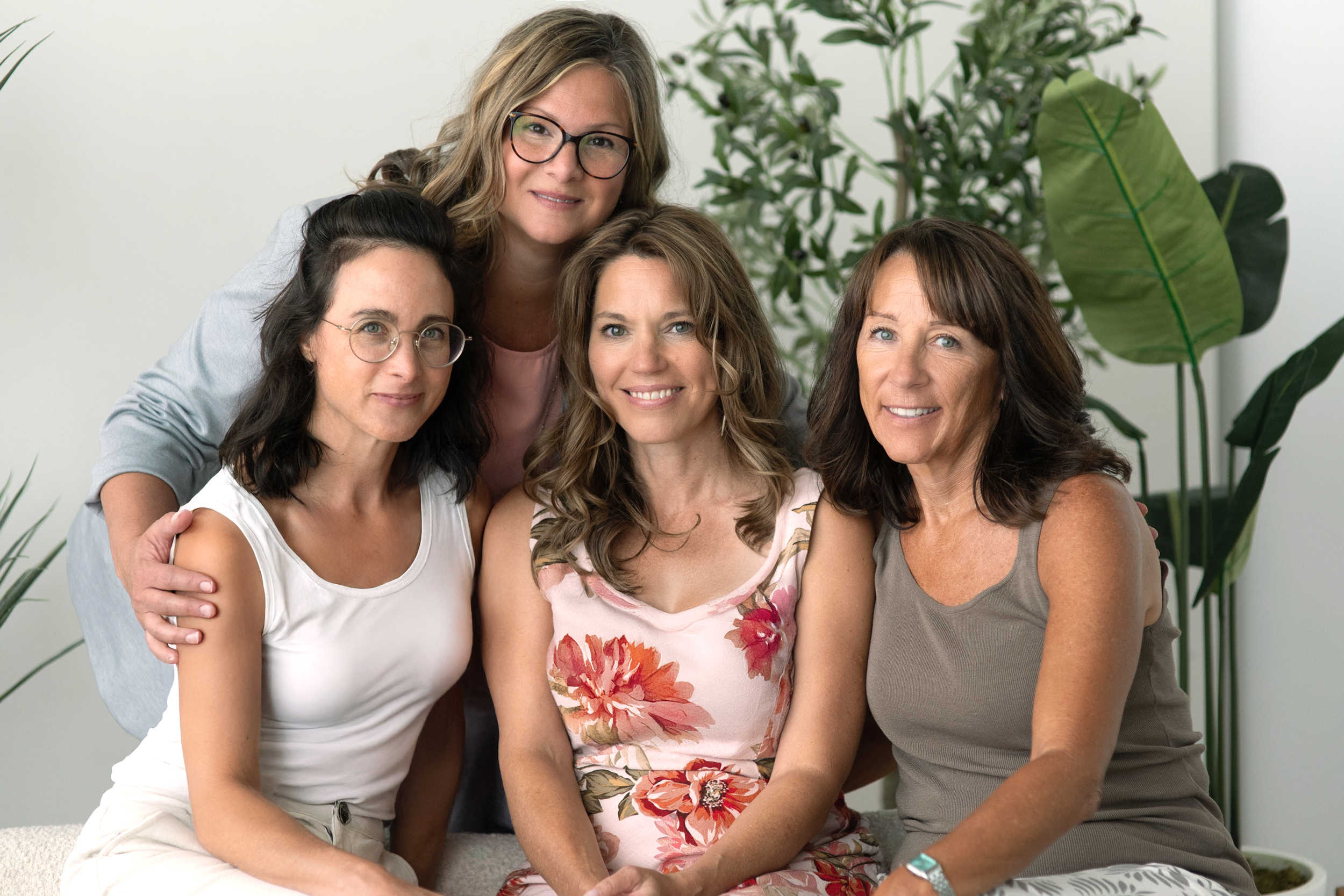
Together, the team brings over 55 years of combined clinical experience and a collaborative approach to individualized care. CCH also offers access to advanced precision testing, including hormone testing when additional insight may be helpful. Kylie works with clients both in person in Calgary and online.
Connect with Kylie
- Website: www.calgaryhomeopath.com/kylie-ward
- Email: kylie@calgaryhomeopathy.com